


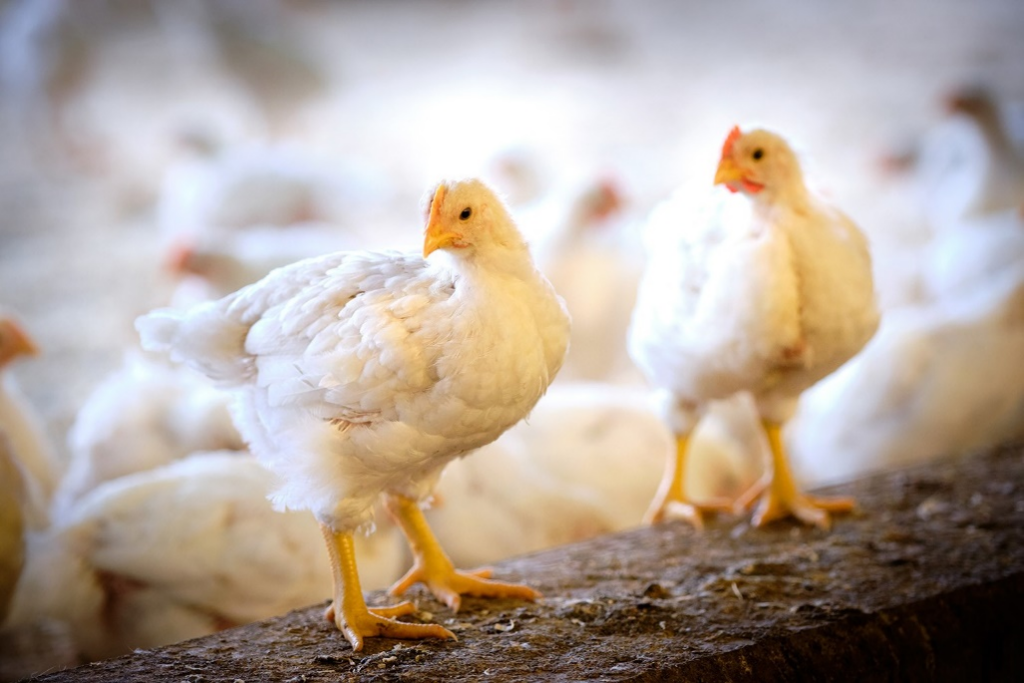
This practice aims to reduce Salmonella risk in broiler farms by controlling rodents and other pests, which are key disease carriers. By lowering pest pressure, farmers improve overall biosecurity, protect flock health, and reduce contamination risks within and around poultry houses. The protocol is based on a preventive and systematic approach. Farmers implement rodent control directly using clear guidelines, including mapping bait stations, monitoring their use, and keeping simple records (house plans, bait locations, intervention logs). Bait stations are placed around buildings and can be doubled in number to improve effectiveness. Control measures are supported by good environmental management: removing debris and unused equipment, avoiding feed spills, and sealing entry points to limit pest access. Early action is essential as waiting for infestations reduces efficiency and increases risks. Some farmers also use specialised pest control services, with 3–4 visits per year (before chick placement and during the batch). These services install and monitor traps and may target specific pests such as mealworms. Costs remain moderate, around €35 per house per batch (about €300/year for two houses), with audits often covered by producer organisations. Key benefits include reduced Salmonella risk, improved health and performance, and better compliance with quality schemes (e.g. EVA charter for obtaining the “Volaille de France” label). The protocol is easy to apply, requires limited investment, and strengthens farm hygiene and working conditions.