


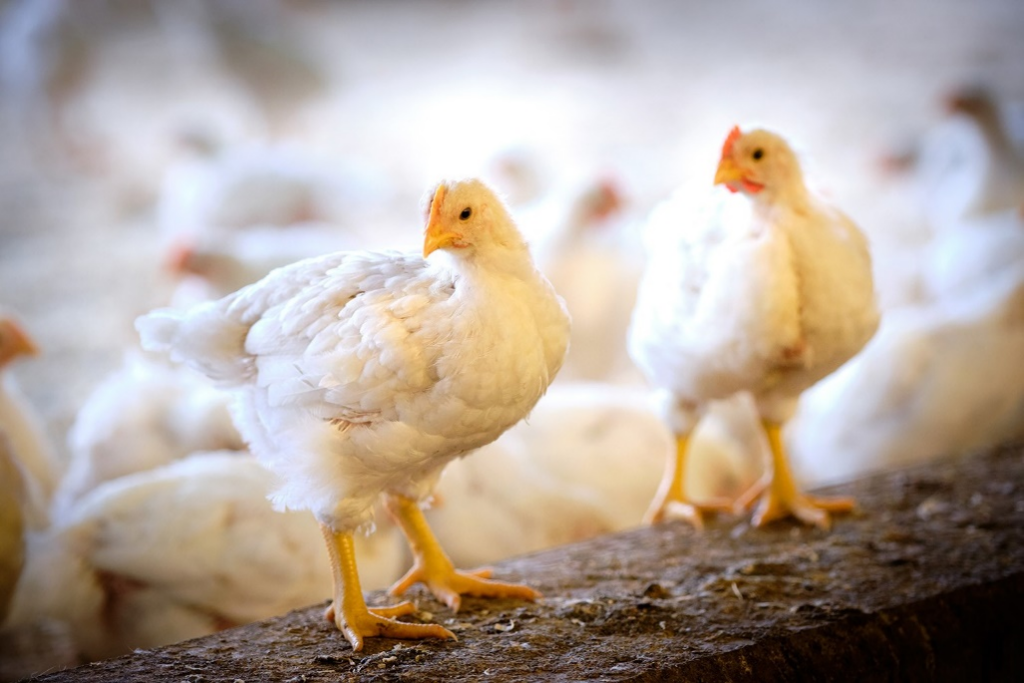
Implementing disinfection of all equipment upon entry to a farming site, using an automatic disinfection ramp equipped with an infrared (IR) detector, is an effective practice in fighting Avian Influenza and other infectious diseases in broiler farming. This practice ensures that external agents, including pathogens, are removed from the surfaces of both broiler-catching team machines and other vehicles. Indeed, catching team machines are not consistently washed and disinfected prior to their entrance, which is nonetheless crucial for minimizing the risk of disease transmission. The integration of an IR detector enhances the system’s efficiency by automatically triggering the disinfection process upon detection of any potential contaminants. By reducing the risk of disease transmission, this preventive measure helps to preserve the health of the broiler batch, particularly in case of thinning or removal of females. This could also minimise the need for therapeutic interventions, reducing the use of antibiotics. Moreover, these strengthened biosecurity measure could contribute to improved overall productivity, as healthier birds are more likely to achieve optimal growth rates, thereby reducing condemnation rates at the slaughterhouse. To maximise the effectiveness of this biosecurity measure, regular maintenance and calibration of the equipment are crucial, and personnel involved should receive proper training to ensure compliance with recommended protocols. In conclusion, investing in a biosecurity measure such as an automatic disinfection ramp with IR detector not only mitigates the risk of diseases but also promotes a healthier and more productive broiler farming environment, ultimately offsetting investment costs in the long-term.