


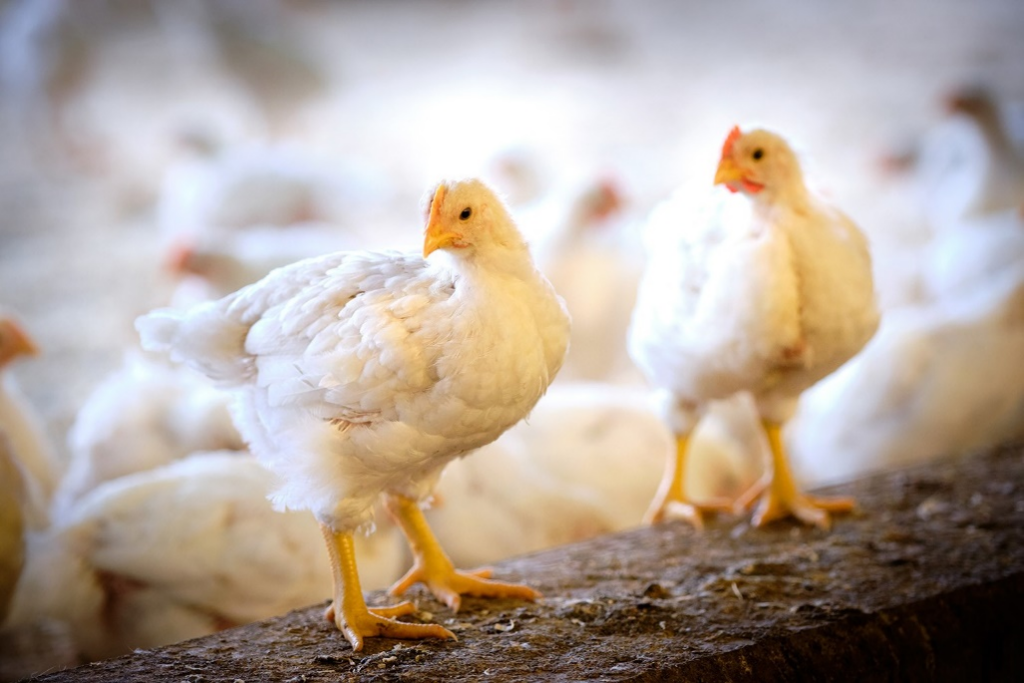
Broiler chickens have undergone significant genetic selections to meet the demands of modern farming, leading to accelerated growth rates and enhanced feed conversion efficiency. However, these genetic advancement challenges the overall welfare of the birds, often manifesting in issues such as skeletal and locomotor abnormalities, cardiovascular problems, and compromised immune function. Addressing these challenges requires a holistic approach, and recent research suggests that the intestinal flora plays an important role in broiler chicken health and welfare. The intestinal microbiota, comprising a diverse community of microorganisms within the chicken’s gut, influences various physiological processes, including nutrient absorption, immune system development, and disease resistance. Therefore, incorporating traits of intestinal flora into the genetic selection processes would be a promising practice for the overall health and welfare of broiler chickens. Selecting birds with a balanced and resilient intestinal flora can contribute to improved digestion, nutrient utilization, and immune function in subsequent generations, as well as offering other benefits such as enhanced productivity (including growth rates and feed efficiency), and reduced veterinary costs. The positive environmental impact of this practice (i.e. less antibiotics used, better nutrient utilization and manure quality) further enhances its value. In conclusion, integrating traits of intestinal flora in selection processes is a practical and beneficial approach for farmers, aligning with consumer expectations, industry trends, and the sustainability of broiler farming.