


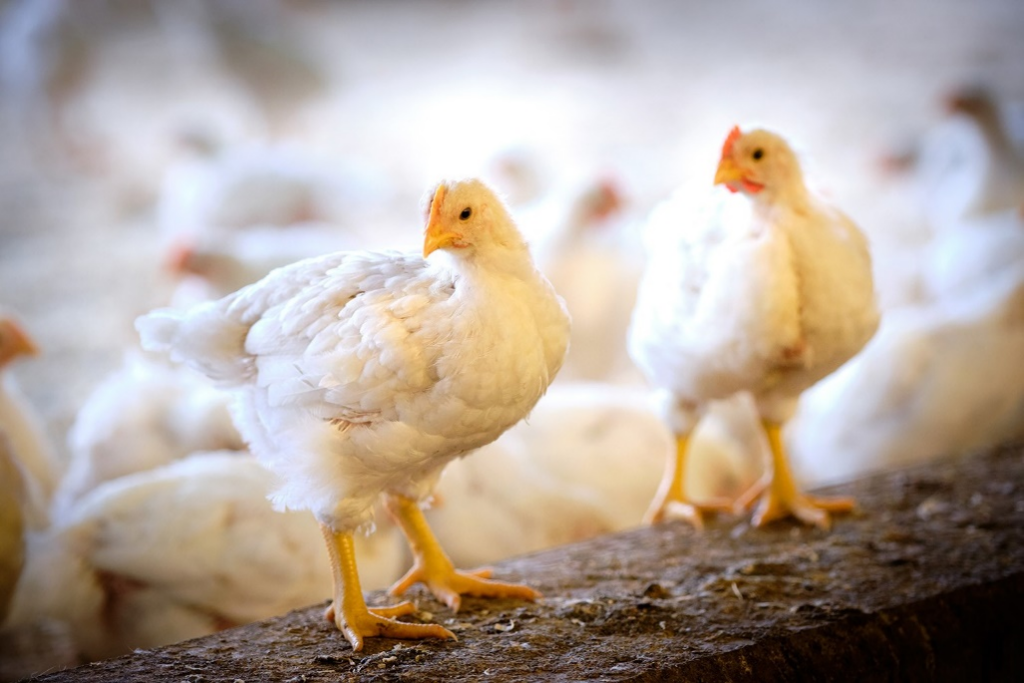
Chicks use vocalization as a form of expression to manifest different emotional states and situations. Analyzing the frequency and patterns of these vocalizations can provide valuable information to assess the health and welfare of chicks, particularly during the early stages after they hatch and while they are at the hatchery facilities.
This practice employs bioacoustics to obtain a quantitative measure of stress in a non-invasive manner, without direct human intervention. A microphone is placed at the hatchery’s waiting room when no animals are present, as well as sensors that continuously monitor environmental parameters such as temperature, relative humidity, and CO2 levels.
The system continuously captures all vocalizations, filtering out external noises not generated by chicks. The collected data is transmitted to a computer program that analyzes and compares the vocalizations based on various variables, such as the day of birth, handling conditions, treatments administered, and other relevant factors. The vocalization is compared to established maximum stress level, which typically occurs right after birth, following the triage, sexing and vaccination operations. Additionally, data from different batches can also be compared.
By analysing the continuously recorded data, which is updated every 15 minutes, it becomes possible to identify early signs of anomalous situations that may impact chick health or welfare. This system enables the detection of changes in environmental or management parameters that could adversely affect the animals. Thus, a correlation is established between alterations in chick vocalizations and environmental factors, facilitating the identification of potential sources of stress.