


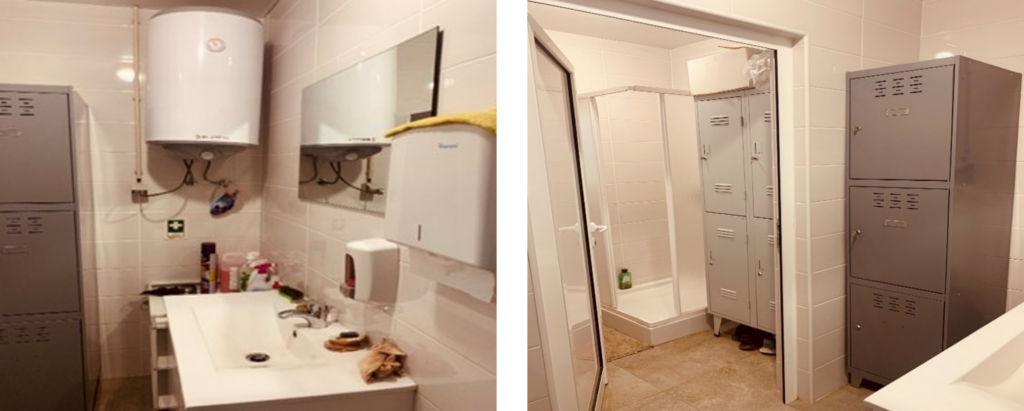
The creation of sanitary barriers through the implementation of changing rooms and the restriction of visits, limiting them to the strictly essential, and carrying out their rigorous control and registration, proves to be a fundamental pillar for the biosecurity of poultry farms. The adoption of these measures involves the installation of physical barriers (nets and gates) and the installation of changing rooms capable of acting as sanitary filters. All visitors, prior to entering the pavilions where the animals are located, must take a shower and wear appropriate clothing provided by the farm. Adapting a farm to these procedures, in addition to adequate training and awareness of staff, involves physical investments that could exceed 100.000 euros, a cost that could be quite variable depending on the starting situation of the installations. Member states of the European Union have the possibility of integrating measures to encourage and support this type of investment into their Rural Development programs. These measures make it possible to substantially reduce the risks of contamination, disease transmission and, consequently, allow the reduction of animal suffering, providing very significant economic gains, as a result of the reduction of health risks and contingency interventions.